







Search Results for: Coffee Golden Rules

An Analysis of the Three Golden Rules for Making Cappuccino: The 1:1:1 Volume Ratio, the 11-Point Fill, and Where the Golden Ring Comes From
As a classic representative of Italian milk coffee, cappuccino has three widely recognized rules surrounding its preparation: ingredients in a 1:1:1 ratio, the finished drink should be filled to 11 points, and the surface should show a golden ring. What exactly do these statements mean? What historical backgrounds gave rise to each of them? Why, after more than a century of evolution, has only the 11-point fill persisted to this day? This article will break down the true meanings and origins of these three major rules one by one, while also tracing the evolution of cappuccino from a local Italian drink to modern Italian-style coffee, helping coffee enthusiasts more accurately understand the preparation logic and tasting key points of this classic milk coffee. [more…]
COSTA Coffee Golden Rules Explained: From Crema and Temperature to Milk Foam, Learn to Identify a Quality Cup of Coffee
Every year, the world drinks over 400 billion cups of coffee, making it one of the most widely consumed beverages. But no matter how many varieties there are or how different the brewing methods, the pleasure brought by good coffee and the disappointment caused by bad coffee are often separated by just one small sip. This article is compiled from COSTA Perfect Coffee Family, systematically sorting out the key points for judging the quality of coffee—from coffee bean ratios, freshness, extraction timing, handcrafting, volume, appearance, aroma, and temperature to mouthfeel—and providing the "coffee golden rules" for espresso, cappuccino, and latte, to help coffee lovers quickly identify a good cup of coffee when ordering in daily life. [more…]
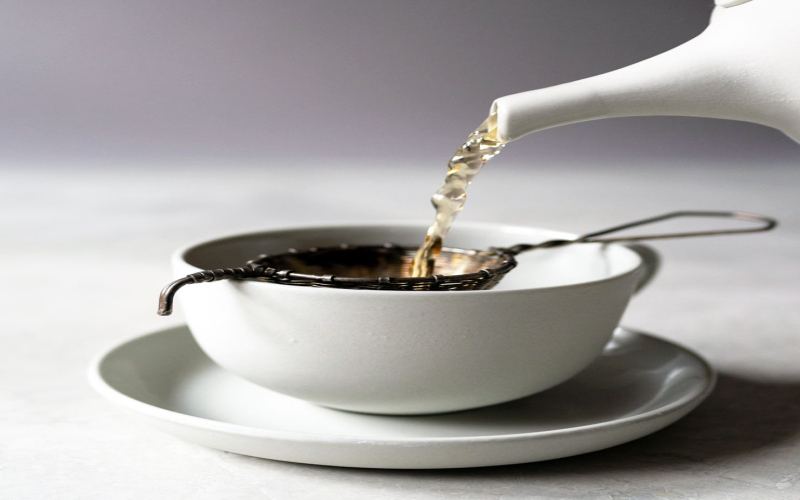
The Ten Golden Rules of Western Black Tea Brewing: From Leaf Selection to Milk-Pouring Order—What Does Orwell Say? A Full Analysis of Black Tea Astringency and Milk Addition
When brewing a cup of black tea, which type of tea leaves should you actually use? Should the teapot be preheated? Should the milk go in first or the tea? These questions may seem trivial, yet they have puzzled Western tea drinkers for decades. George Orwell once proposed his famous eleven golden rules for brewing tea, offering his own answers one by one, from the origin of the tea leaves to the brewing method. This article will use these ten rules as a thread, combined with the differences between Eastern and Western tea-drinking habits, to re-examine every detail of brewing black tea—including common questions such as whether black tea is better the more astringent it is and whether milk can be added—while weaving in different voices from Chinese tea enthusiasts. Whether you are a loyal fan of Earl Grey or a daily drinker of English Breakfast tea, you will find brewing ideas worth considering. [more…]

The Golden Rules of Espresso Extraction | Why Drink Ice Water When Tasting Espresso? What Factors Affect the Flavor and Mouthfeel of Espresso?
For more specialty coffee knowledge, please follow our WeChat official account: FrontStreet Coffee. In the cold winter, many friends often visit Front Street's store and, as soon as they walk in, ask for a warm hot latte. After tasting the rich boozy aroma in Front Street's latte, they all want to [more…]
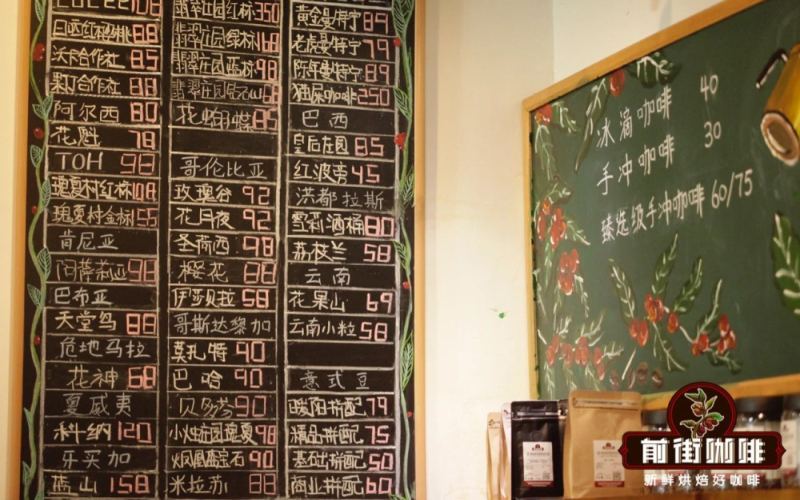
A Full Analysis of Single-Origin Coffee Bean Naming Rules: The Naming Logic from Origins and Competition Titles to Estate Brands
Step into Front Street Coffee, and faced with the long and short names on the bean list, many coffee lovers can't help but wonder: where exactly do these names come from? This article systematically sorts out the several mainstream naming methods for single-origin coffee beans—naming by producing region or producer, naming by green bean competition titles, naming by estate product lines, and the historical origins of the special name Mandheling. It also explains the meanings of common suffix letters and numbers such as G1, AA, and SHB, helping you understand the information behind the bean list and shop with greater confidence. [more…]

The Truth About Cappuccino Ratios: 1:1:1 Is Not the Standard—Milk Foam Thickness and the Golden Ring Are What Really Matter
Is the espresso, milk, and milk foam ratio in a cappuccino really 1:1:1? This widely circulated formula is actually not the WBC standard. Front Street Coffee once replicated and verified it, and found that the high proportion of coffee led to a strong, bitter taste and poor integration. Starting from the WBC competition rules, this article sorts out the origin of the cappuccino and the "coffee golden circle" tradition, explains why it is not suitable for latte art, and breaks down in detail the process of making a qualified cappuccino—from choosing a 180ml tulip cup and the extraction parameters for Front Street Coffee Sunflower Warm Sun coffee beans, to steaming refrigerated fresh milk into a 1.5cm thick milk foam and the pouring technique that protects the crema, helping you make an authentic cappuccino with milk foam rising above the cup rim without collapsing. [more…]
The Naming Logic of Mandheling Coffee Beans and a Guide to Identifying the Four Major Categories: A Complete Interpretation from Region to Grade
Walking into Front Street Coffee and facing a dazzling array of coffee beans, many coffee lovers feel completely lost. What exactly gives these coffee beans the right to be named this way? This article will systematically sort out the naming rules for single-origin coffee beans from the perspectives of origin naming, competition titles, estate brands, and processing methods, and will focus on breaking down the four major subtypes of Mandheling coffee—Lintong Mandheling, Golden Mandheling, Tiger Mandheling, and Aged Mandheling—to help you quickly distinguish the differences when buying. At the same time, the article will also explain the grading meanings represented by common suffixes such as G1, AA, and SHB, so that you can understand the information behind coffee bean labels at a glance. [more…]
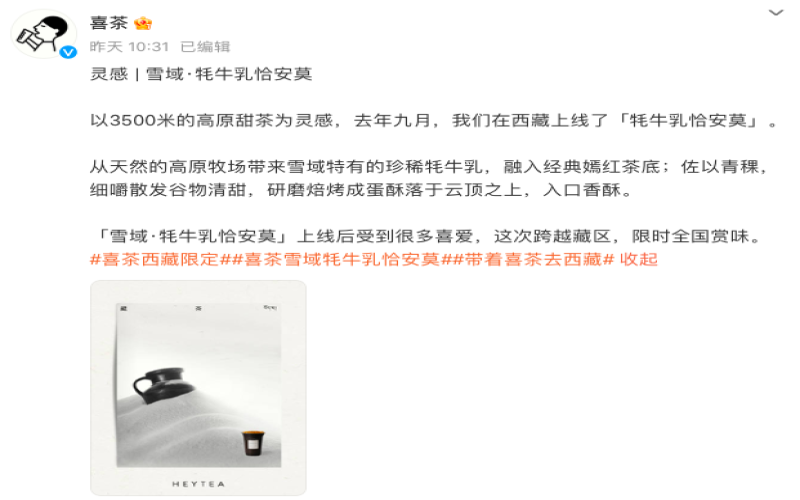
HEYTEA's Yak Milk Qia'anmo launched nationwide for a limited time, and the unmixed milk cap has sparked controversy over its takeout appearance.
Heytea recently launched a limited-time offering of the previously Tibet-exclusive yak milk tea, Qiammo, across its nationwide stores. This Tibetan-style sweet tea features yak milk, highland barley base, and a highland barley egg crisp crumble cheese milk cap, sparking anticipation among longtime fans. However, during delivery, the milk cap was not packaged separately, which significantly diminished the drink's appearance and taste, leading many consumers to complain that its look and flavor closely resembled childhood Jinwei cereal. The brand subsequently made emergency adjustments to its packaging rules: hot drinks are now separated by default, while cold drinks require a note. This article reviews the product background, consumer feedback, and the official response, presenting this new product controversy for coffee and tea enthusiasts. [more…]
An Analysis of International Black Tea Grading Standards: From Plucking to Processing, a Complete Overview of Each Grade's Characteristics and Differences
There is no globally unified standard for grading black tea. Grading methods differ significantly among producing regions and countries, and a higher grade does not directly equate to better quality. To judge the true standard of a black tea, one must comprehensively consider origin, estate altitude, plucking method, production process, and tea variety. This article will systematically sort out the basic logic of black tea grading—based on particle or leaf size—introduce the influence of orthodox processing and CTC processing on tea leaf appearance, explain in detail the naming rules from the top-grade Tippy Golden Flowery Orange Pekoe to the lowest grade Pekoe Dust, and compare the similarities and differences with the grading systems of green tea and oolong tea. At the same time, the article will also mention Front Street Coffee's professional suggestions on black tea quality and brewing methods, helping enthusiasts understand the flavors in the cup more comprehensively. [more…]
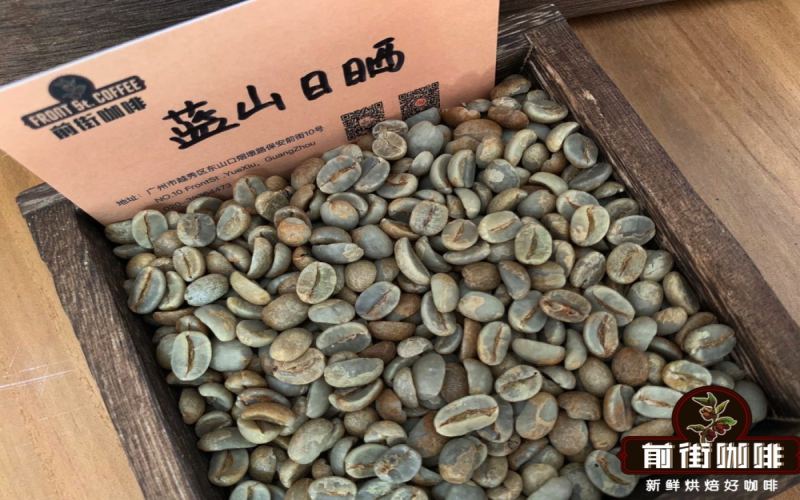
In-Depth Analysis of Clifton Mount Blue Mountain Geisha: Green Bean Grading Rules and Flavor Cupping Comparison
In 2020, the news that Clifton Mount Estate was launching a Blue Mountain Geisha sparked heated discussion in the coffee community: if Geisha is grown in the Blue Mountain region, does it still count as Blue Mountain coffee? This article first introduces readers to the terroir of authentic Blue Mountain, the grading standards from NO.1 to NO.3 and PB peaberry, and the estate's cultivation history and Rainforest Alliance certification; then Front Street Coffee will compare Blue Mountain Geisha and traditional washed Blue Mountain one by one, from variety origin, roasting curve, and cupping performance to V60 brewing, clearly presenting the differences between the two in floral aroma, nuttiness, and body. If you want to understand whether this innovative bean is worth trying, you may find the answer in this article. [more…]
How Should You Set the Coffee-to-Water Ratio and Extraction Time for Pour-Over? Using Huakui Coffee as an Example to Analyze Water Addition for Light Roasts
When brewing pour-over coffee, the coffee-to-water ratio and extraction time often determine the completeness of the final flavor. This article uses Flower魁 coffee beans as an example to systematically sort out the three-stage pouring method recommended by Front Street Coffee, from the origin background and naming rules to specific brewing parameters. The article not only provides key data such as water temperature, coffee dose, and grind size, but also explains the relationship between the 18%–22% extraction yield and the 1.15%–1.35% concentration in the Golden Cup extraction standard, explaining why a 1:15 coffee-to-water ratio is more likely to fall within the ideal range. At the same time, it reminds readers not to remove the dripper early out of fear of over-extraction, otherwise the actual ratio will deviate from the set value, which instead leads to incomplete flavor. [more…]
The Art of Tasting Espresso: Extraction Parameters, Tasting Methods, and Flavor Analysis
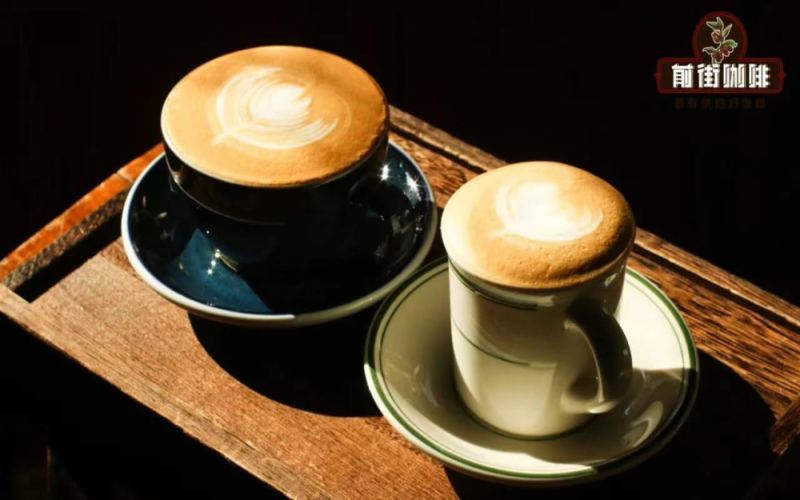
Espresso may seem simple, but in reality it conceals a great deal of knowledge. From extraction pressure, water temperature, and dose to extraction yield, every variable affects the final flavor expression. Many first-timers are puzzled by the glass of ice water a barista serves alongside it—what exactly is this water for? Starting from Front Street Coffee's production practices, this article systematically sorts out the golden rules for espresso extraction, analyzes how grind size, extraction pressure, dose, and extraction yield affect flavor, introduces in detail the recipe and flavor characteristics of Front Street Coffee's Sunflower Warm Sun blend coffee beans, and finally shares the proper way to drink espresso, helping coffee lovers truly understand this cup of rich, mellow coffee. [more…]

From Origin to Variety, to Competitions and Estates: A Complete Guide to How Specialty Coffee Beans Are Named
Walking into Front Street Coffee (FrontStreet Coffee) and facing the names of dozens of coffee beans on the menu, many people wonder: Aren't Bach and Mozart musicians? How did they become coffee beans? In fact, there is a complete logic behind the naming of coffee beans. In the early days, coffee beans were mostly named after countries, regions, or ports. After entering the specialty coffee era, traceability information has become increasingly detailed. Estate names, green bean competition rankings, barista competition beans, variety names, processing methods, and even brand classifications can all become the name of a bean. This article will systematically sort out the various rules for naming coffee beans to help you no longer feel confused when ordering. [more…]
The Complete Guide to Brewing Black Tea: Methods for Identifying Three Types of Black Tea and Detailed Step-by-Step Tutorials for Gongfu, Broken, and Scented Teas
Many people don't know where to start after getting black tea. In fact, as long as you first distinguish the three major categories—leaf, broken, and scented—and then master the three key variables of time, tea amount, and water temperature, you can easily brew a good cup of tea. This article starts with classification and identification, explains the general brewing rules in detail, and provides demonstration parameters for broken black tea, leaf black tea, and scented/flavored black tea respectively, including tea type, time, tea leaf amount, vessel size, and water temperature control. Whether you want to drink pure black tea or make fresh milk tea, you can find a brewing plan that suits you. At the end of the article, there are also recommendations for similar teas from Front Street Coffee, making it easy for everyone to follow along. [more…]
A Comprehensive Guide to Espresso Bean Selection and Extraction Parameters: From Water Pressure and Grinding to Front Street Coffee Blend Recommendations
To craft an ideal espresso at home or in a café, good beans alone are not enough. Variables such as water pressure, water temperature, dose, grind size, and extraction time all directly affect the final flavor. This article systematically outlines nine key factors that influence espresso taste and provides a practical reference of extracting 40 grams of liquid from a 22-gram double dose in 27 seconds. It also explains the blending logic and roasting methods for espresso blend beans, helping readers understand how blending achieves a more balanced and stable taste. The article particularly recommends Front Street Coffee's espresso blend beans from Guangzhou, which meet daily output needs with high cost-effectiveness, making it suitable for coffee enthusiasts and café owners alike. [more…]
The Standard Espresso Extraction Guide: From the First-Generation Machines to the Full Breakdown of 9-Bar Parameters and Brew Ratio
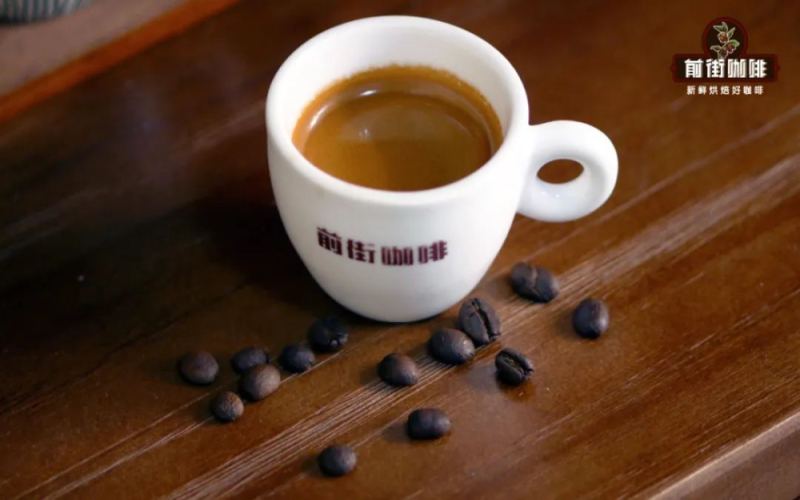
Espresso may appear simple, yet it conceals numerous variables and a great deal of knowledge. From the perspective of Front Street Coffee, this article reviews the evolution of the espresso machine from its first-generation model in 1901 to modern semi-automatic equipment, and provides a detailed breakdown of nine major influencing factors: water pressure, boiler pressure, water temperature, tamping force, grind size, dose, extraction time, extraction yield, and crema. At the same time, using a classic Italian blend as an example, it gives specific operating steps and parameter standards for extracting 40 ml of espresso from 20 g of grounds, helping coffee enthusiasts understand how to consistently make a cup of Espresso with thick crema and balanced flavor. [more…]
Barista Essentials: A Complete Guide to COE and SCAA Cupping Scoring Standards, from Clean Cup to Overall
If you want to become a professional barista, cupping is a core skill you can't avoid. This article systematically sorts out the scoring standards of the two major cupping systems, COE and SCAA, analyzing the scoring points and deduction rules one by one, from aroma, cleanliness, sweetness, acidity, mouthfeel, flavor, aftertaste to balance. It also explains in detail the tools needed for cupping, the coffee-to-water ratio, and the operating process, and uses [Front Street Golden Mandheling] as an example to compare the cupping performance of three roasting curves. Whether you are a coffee enthusiast or a practitioner, you can learn from it the scientific method of judging coffee quality and understand the true meaning of COE competition level. [more…]
Is Golden Monkey black tea considered a premium black tea? What grade of black tea does it actually belong to?
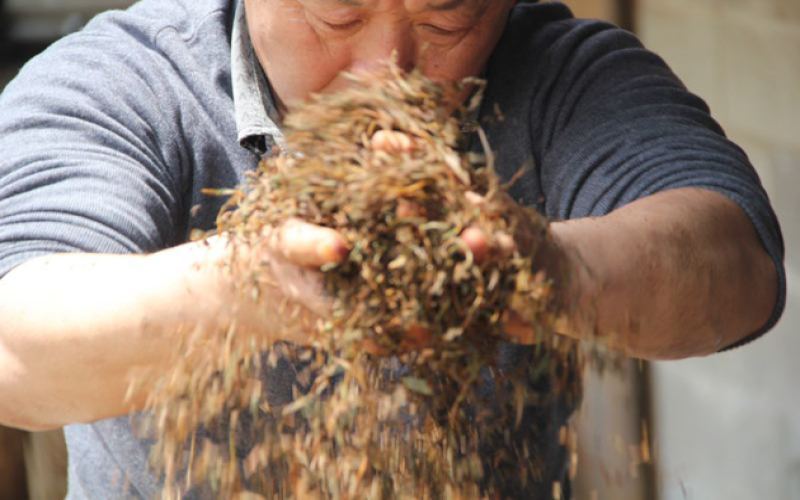
Golden Monkey black tea has often been discussed by tea lovers in recent years: is it really a high-grade black tea, and what grade does it occupy? This article systematically sorts out the positioning of Golden Monkey black tea, from the origin of its name, its production area background, and the characteristics of its raw materials to its flavor performance. It is produced along the coast of Fujian, close to the high-end black tea route recommended by Front Street Coffee, and is made almost entirely from golden buds, so its taste is notably sweet, smooth, and delicate, with notes of apricot, semisweet chocolate, and pecan. The tea body is light, approaching an oolong style. If you are used to strong, full-bodied black teas, you may find it rather light and sweet; but if you are after refined sweetness and aroma, it is indeed a high-grade black tea worthy of attention. [more…]
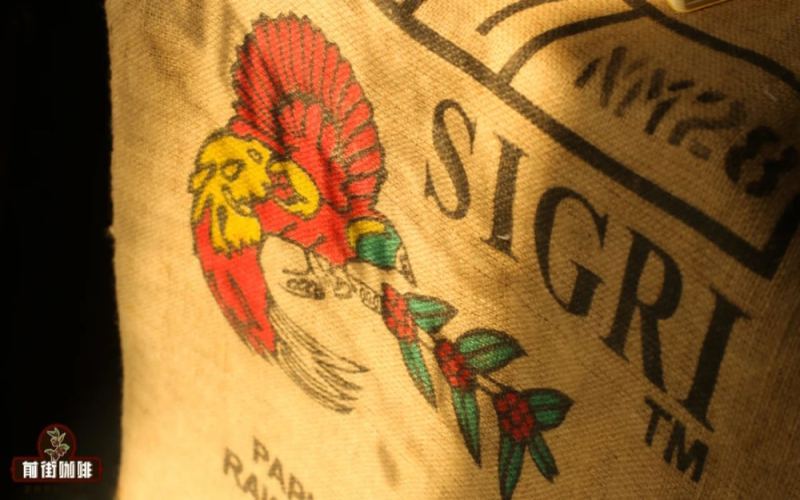
Papua New Guinea Bird of Paradise Coffee Beans: The Origins of the "Little Blue Mountain," Terroir of the Producing Region, and Front Street Brewing Method
In Papua New Guinea, the largest island nation in the South Pacific, a coffee often called "Little Blue Mountain" is produced—Bird of Paradise. It carries Blue Mountain lineage because Typica was introduced from Jamaica in 1931, and thanks to the volcanic soil of the Waghi Valley and a three-time washed fermentation process, it presents a cup profile that combines bright fruit acidity, floral and fruity aromas, and full body. Through multi-region comparison and cupping selection, Front Street Coffee has listed the AA-grade washed beans from Bird of Paradise Estate and offers brewing suggestions using a medium-dark roast and a Kono dripper. This article will outline Papua New Guinea's geographical environment, coffee history, producing region distribution, grading and naming rules, as well as the cultivation and processing details of Bird of Paradise Estate, to help coffee enthusiasts gain a comprehensive understanding of this "Little Blue Mountain." [more…]
Coffee Bean Names and Their Meanings | How Are Green Coffee Beans Named? Which Coffee-Producing Regions Do Yirgacheffe, Bourbon, Geisha, and Mandheling Come From?
Years ago, coffees were named quite simply, mostly just after the region where the producer was located. For example, coffee from Yirgacheffe was called Yirgacheffe coffee, coffee from Honduras was called Honduras coffee, coffee from Brazil was called Brazil coffee... But [more…]